

SCOUP: A Coastal Resilience Effort
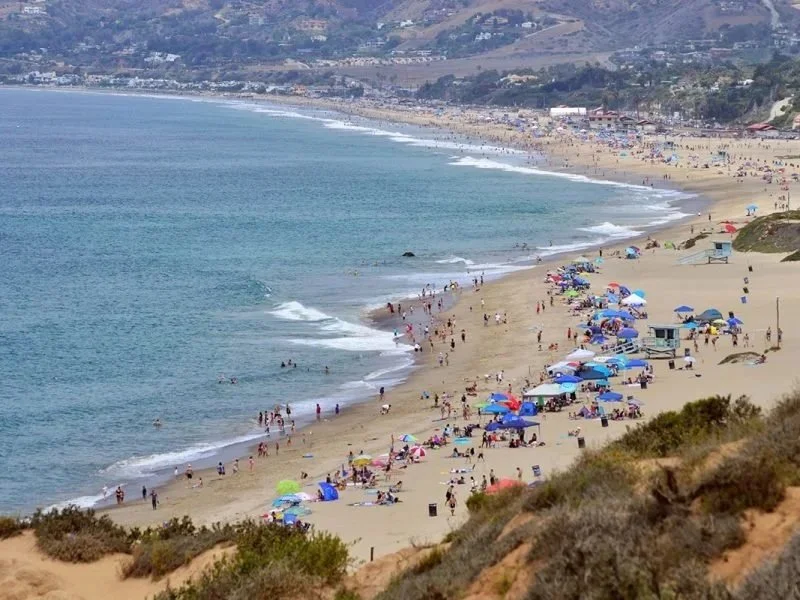
Photo Credit: Los Angeles County Department of Beaches and Harbors
Protecting California’s Beaches
California’s sandy beaches are more than just recreational spaces —they’re a cornerstone of our environment, economy, and quality of life in Los Angeles. They also serve as a refuge for inland communities during extreme heat, an escape that’s becoming more frequent as our climate changes.
According to Los Angeles County Department of Beaches and Harbors (LACDBH), in recent years sand is disappearing faster than new sediment is arriving. Beaches are shrinking and the roads, buildings, and public spaces along them are becoming vulnerable to rising seas.
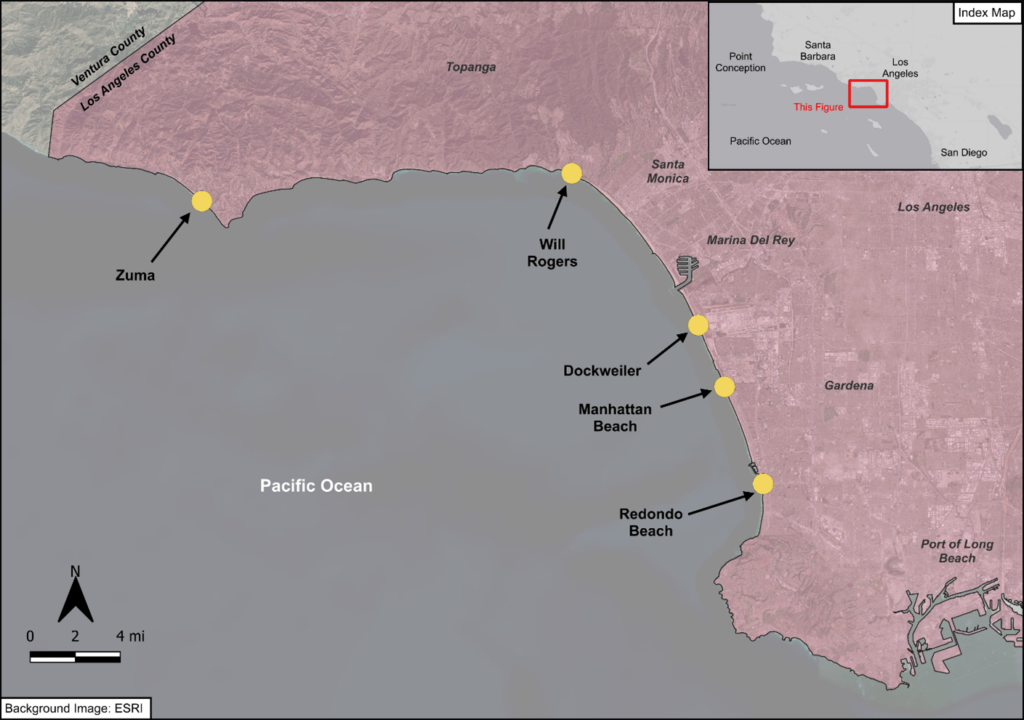
Popular beaches facing erosion risk in Santa Monica Bay.
LACDBH is turning to innovative strategies that address multiple environmental challenges while shoring up our diminishing beaches. Working with the County Board of Supervisors, the agency has launched the SCOUP (Sand Compatibility and Opportunistic Use Program). SCOUP will repurpose high-quality sand from sources like construction projects, dredging, and flood control maintenance; sand that might otherwise end up in landfills or industrial use, by placing that material on local beaches. The comprehensive coastal resilience strategy will help nourish local beaches by adding clean, compatible sand to combat erosion and prepare for rising sea levels.
Beach Sand Placement Locations
While much of our coastline is challenged by sea level rise, certain sites have been identified to receive SCOUP sediment due to their erosion risks, infrastructure, recreational value, and ecological considerations. The five beaches rolling out the program are:
Zuma Beach
Will Rogers State Beach
Dockweiler State Beach
Manhattan Beach
Redondo Beach
The types of sediment distribution include adding sand along their shorelines, in a mound near the high tide line to be spread out by equipment, and in shallow waters where the waves can naturally move it onto the beach.
Rindge Dam: A Valuable Source of Beach Sand
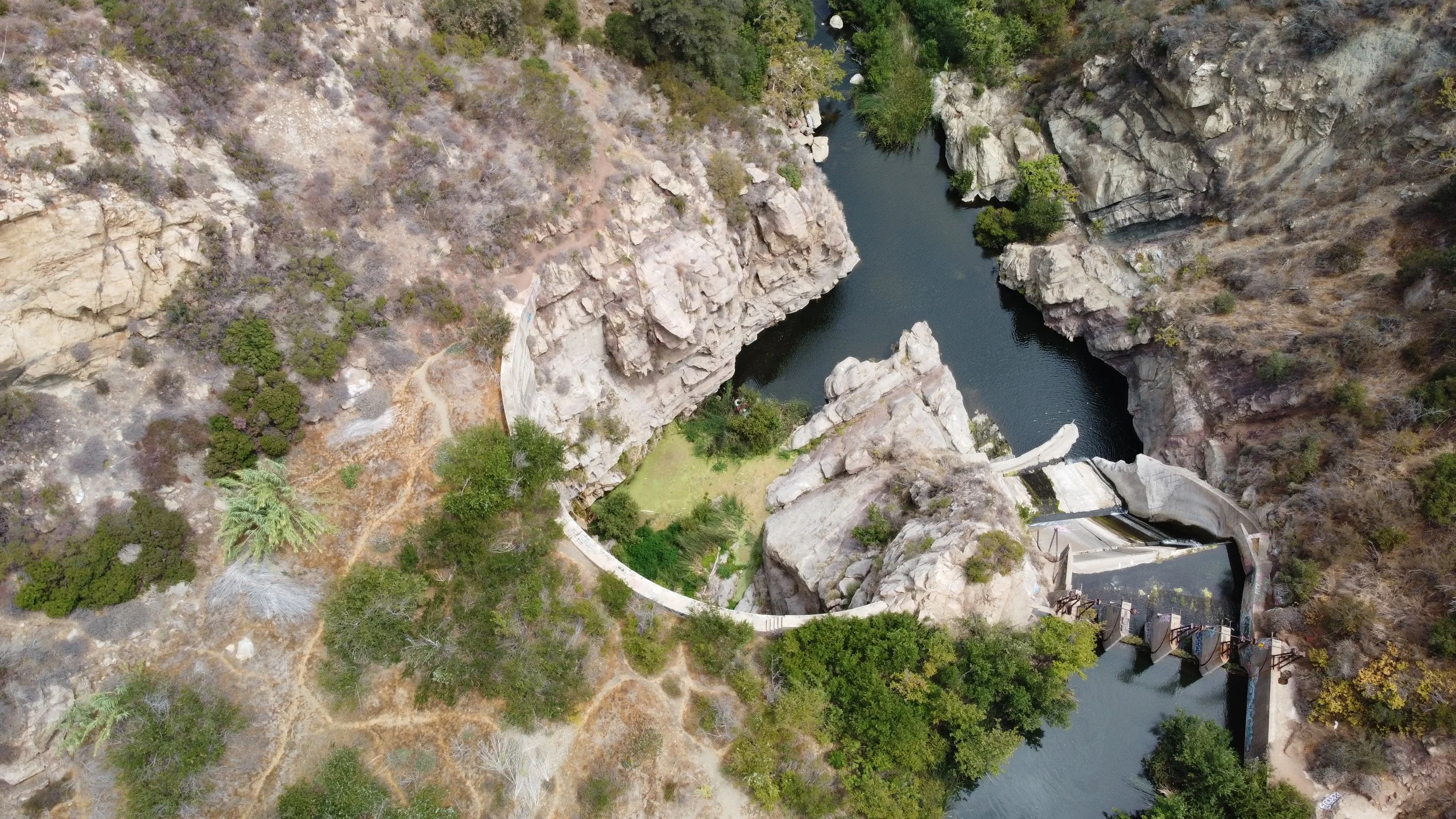
Studies indicate that much of the of 800,000 cubic yards of trapped sediment behind the dam is suitable for beach nourishment. Photo Credit: Bernard Yin
One of LA County’s largest inland sources of beach-quality sand is potentially behind Rindge Dam. Just three miles inland from Malibu where coastal erosion is currently occurring lies approximately 800,000 cubic yards of trapped sediment (enough sand, cobbles, and rock to fill the Rose Bowl) that should have naturally replenished the coast. Studies show that much of the sand is suitable for beach nourishment. “Los Angeles County is leading the way to protect our coastline using innovative strategies that address multiple challenges at once. This kind of integrated thinking-- like reducing sediment in reservoirs—can also protect our communities from sea level rise and help build a stronger, more resilient future. When we act urgently, we make sure our coast remains open to everyone for years to come,” said LA County Supervisor Lindsey P. Horvath, who represents Malibu in the Third District.
By proactively managing sand resources, LACDBH aims to keep public beaches healthy, resilient, and accessible for generations to come. Through science-based initiatives like SCOUP, Los Angeles County is investing in a future where our coastlines remain resilient against erosion and rising seas.