

A Legacy Preserved: Malibu Creek State Park Turns 50
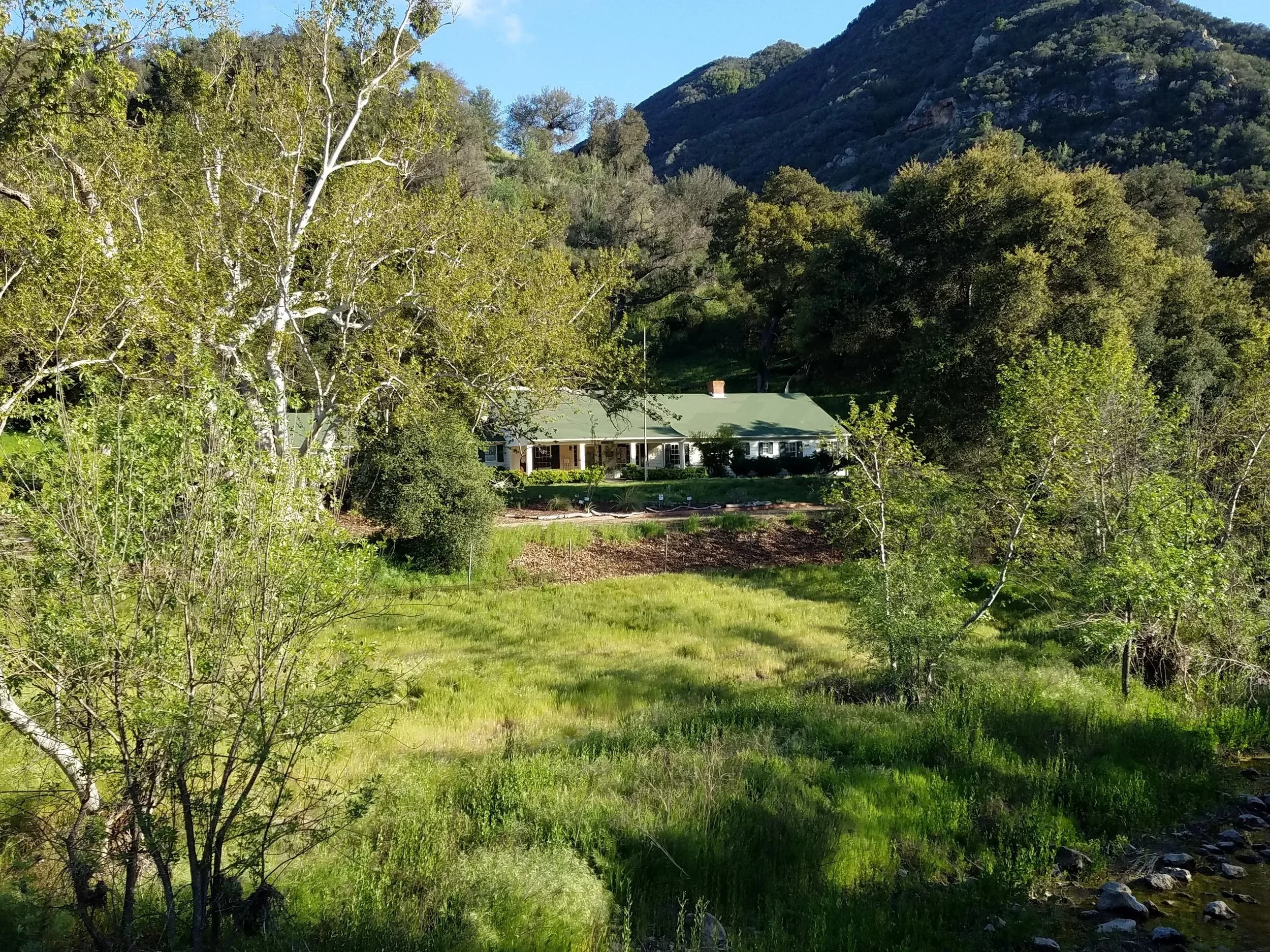
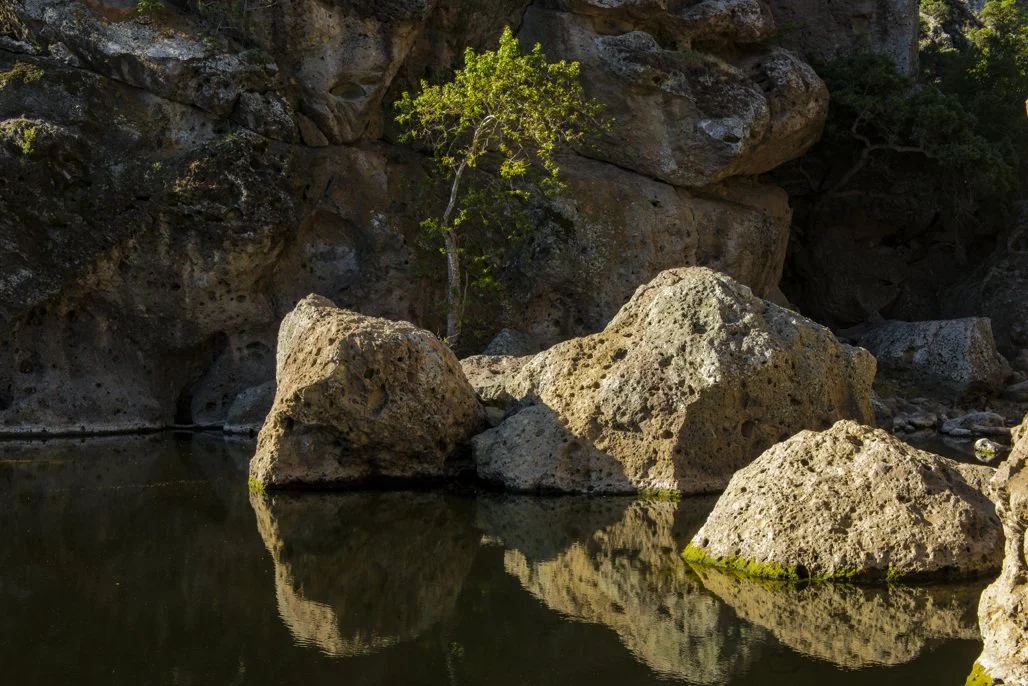
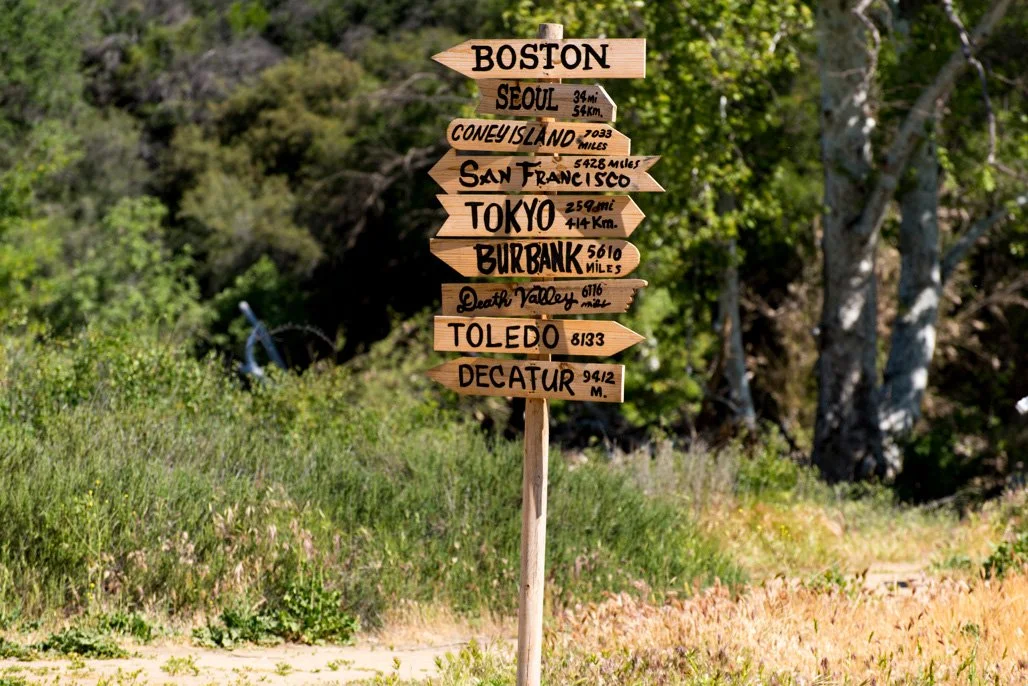
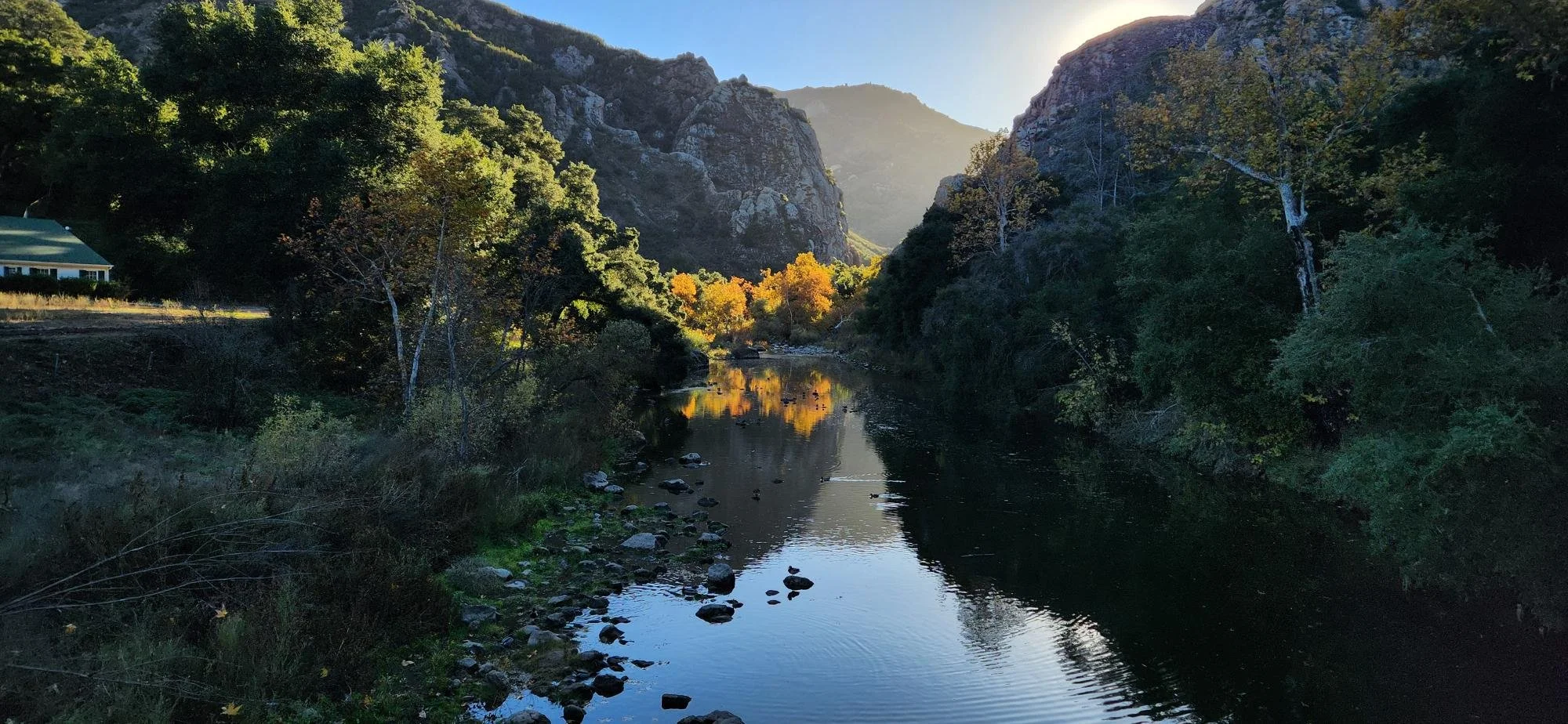
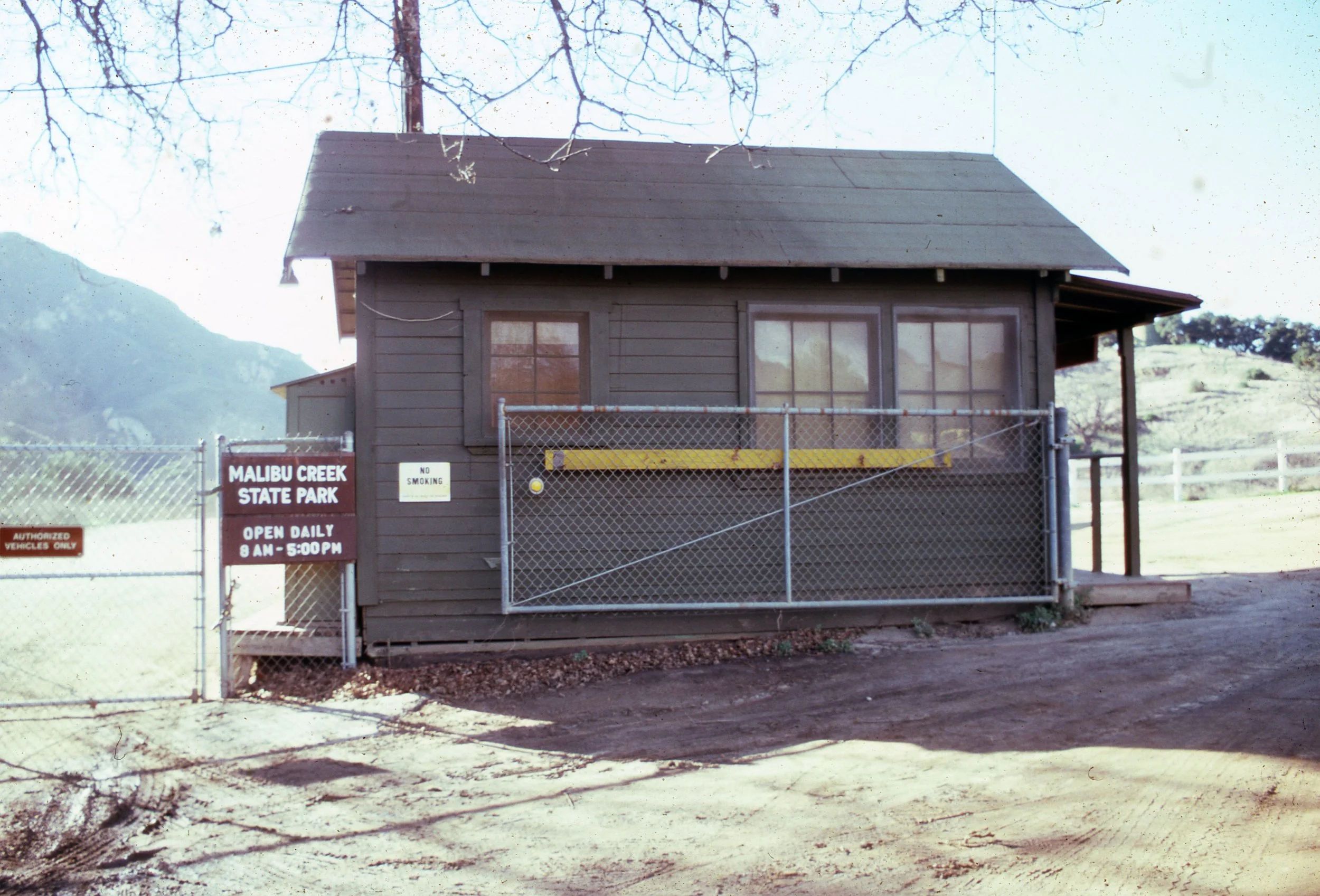
The entrance gatehouse for Century Ranch on Waycross Road was transformed to the first park kiosk when Malibu Creek State Park opened in 1976 to the public. The current kiosk and entrance road wasn’t constructed until the late 1980s. (Photo courtesy California State Parks)
In 1974, the State of California took a major step toward preserving one of the Santa Monica Mountains’ most significant landscapes with the purchase of 8,215 acres from 20th Century Fox movie studios. The purchase laid the groundwork for what is now Malibu Creek State Park (MCSP). As California State Parks prepares to celebrate the park’s 50th anniversary in September 2026, MCSP is a lasting landmark to the area’s cultural heritage, cinematic history, and part of the conservation effort that ultimately formed the Santa Monica Mountains National Recreation Area.
Long before it became a state park, the park’s riparian landscape drew people to its abundant natural resources. The first documented in the area were the people of ta’lopop, whose village is considered one of the oldest known sites in the Santa Monica Mountains. The descendants of these people are today known as the Ventureño Chumash, Fernandeño Tataviam, and Gabrieleno/Tongva tribes. They were artists, traders, diplomats, astronomers whose lives were deeply connected to villages throughout the region. In 1797, their way of life was irreversibly altered. The establishment of Mission San Fernando Rey de España in the San Fernando Valley led to the forced removal of Native peoples from their villages into the mission system as enslaved labor.
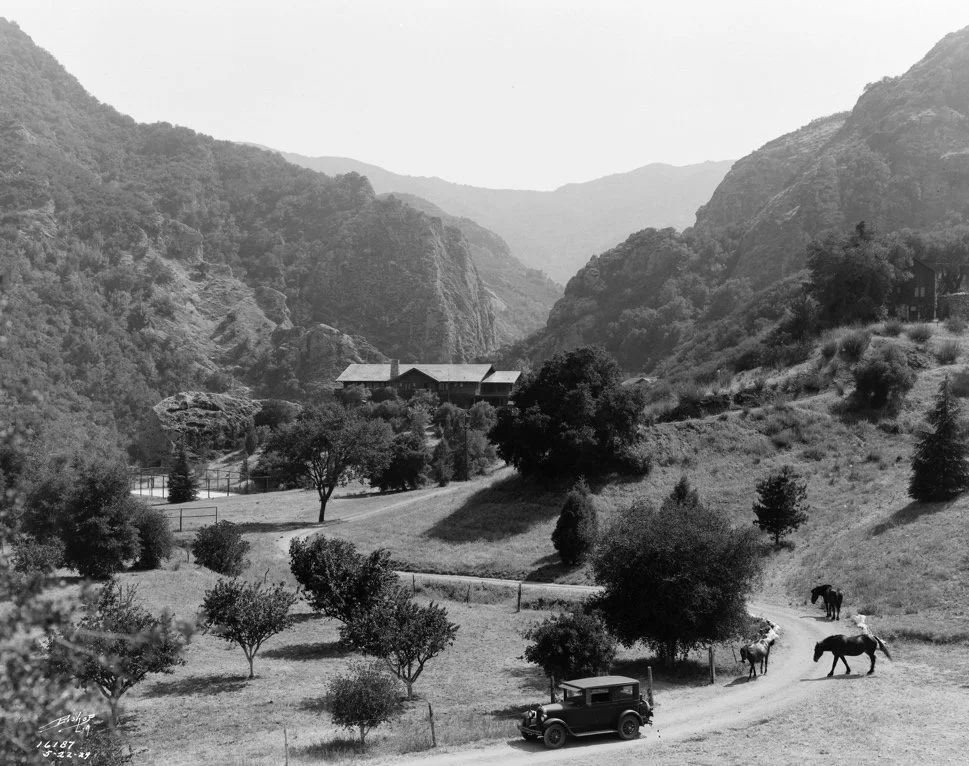
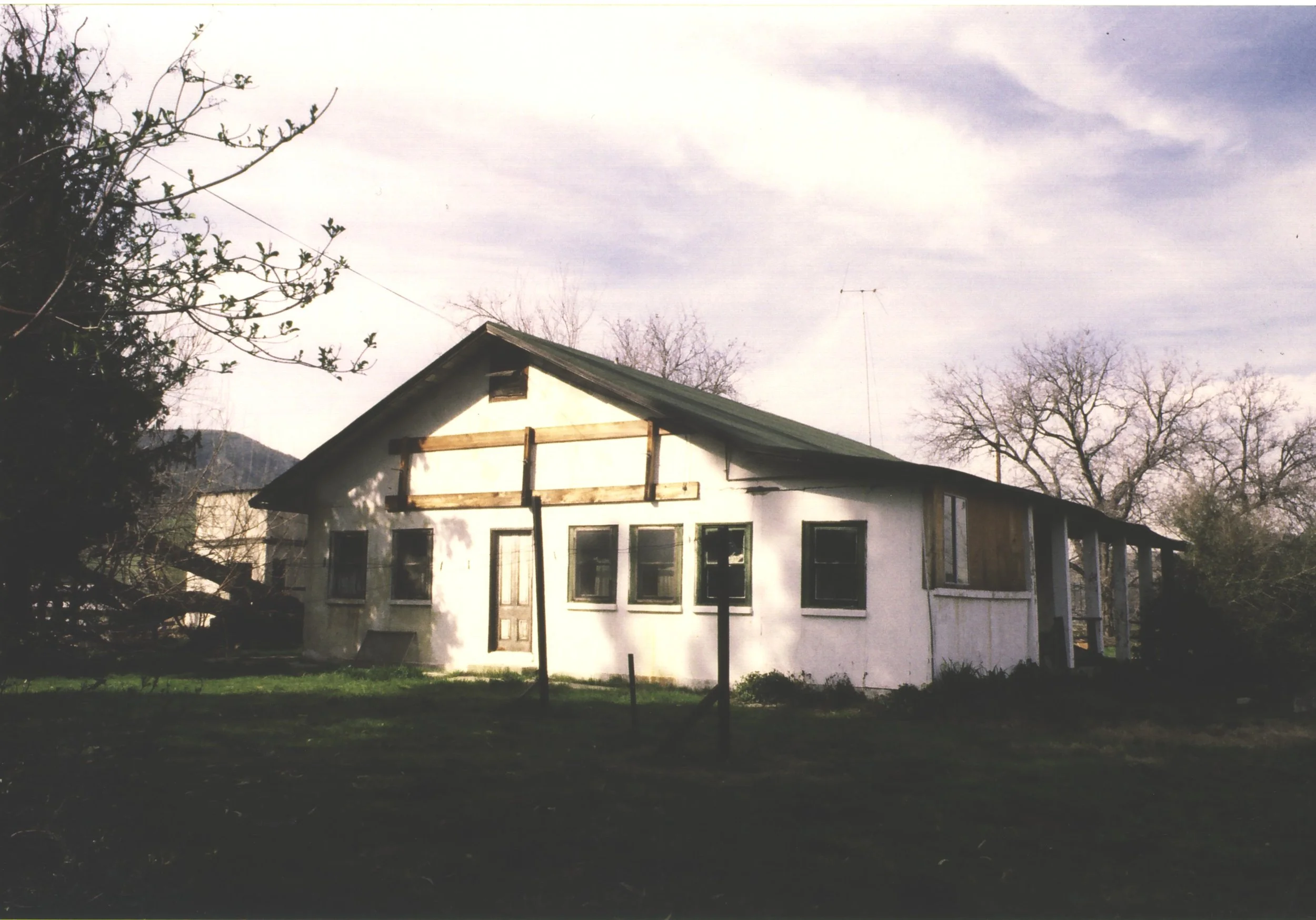
In the decades that followed, the land passed through several ownerships beginning with early settlers and homesteaders. In 1863, Don Pedro Alcantara Sepulveda settled near present day Mulholland Highway, building an adobe in the post-mission era with labor from the nearby Native village, and supplied crops, charcoal, and firewood to Los Angeles residents. The adobe became part of the park purchase but was severely damaged in the 2018 Woolsey Fire just before the completion of its renovation. Another notable park acquisition was the decommissioned Rindge Dam. Located in Malibu Canyon along Malibu Creek, the private dam was constructed by May Rindge in the 1920s after she and her husband assembled a vast territory in the area that included the Rancho Topanga Malibu Sequit land grant and adjacent homesteads.
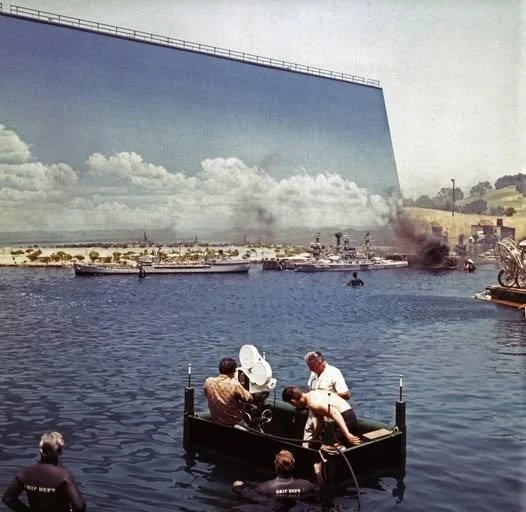
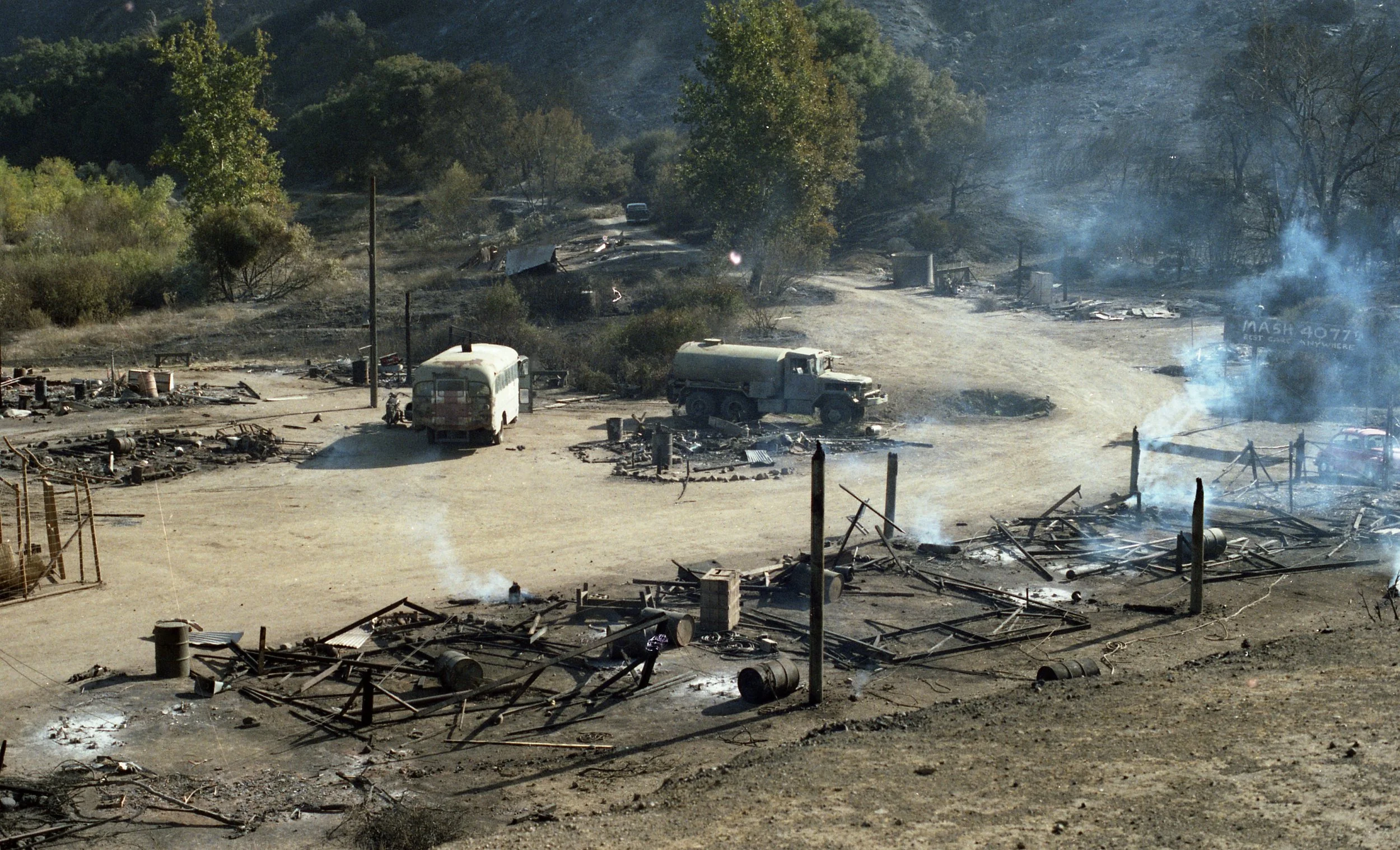
In the 1910s, overlooking the park’s Rock Pool, once stood the exclusive Crags Country Club lodge, featuring hunting and fishing on man-made Crags Lake. What is now the visitor center was one of three residences constructed by Club members. In 1946, 20th Century Fox purchased the property and renamed it Century Ranch, transforming it into the largest outdoor movie ranch of its time. It became a famous filming location for many productions over the years including the hit television series M*A*S*H* which is a popular destination within the park’s trail system. See all the movies and shows here.
Following World War II, Los Angeles was expanding fast, and rapid development was targeted for the Santa Monica Mountains that included housing, highways, landfills, and even a nuclear power plant. History took a dramatic turn once more. In the 1960s, the Friends of the Santa Monica Mountains, Parks and Seashore formed to fight development of the mountains.
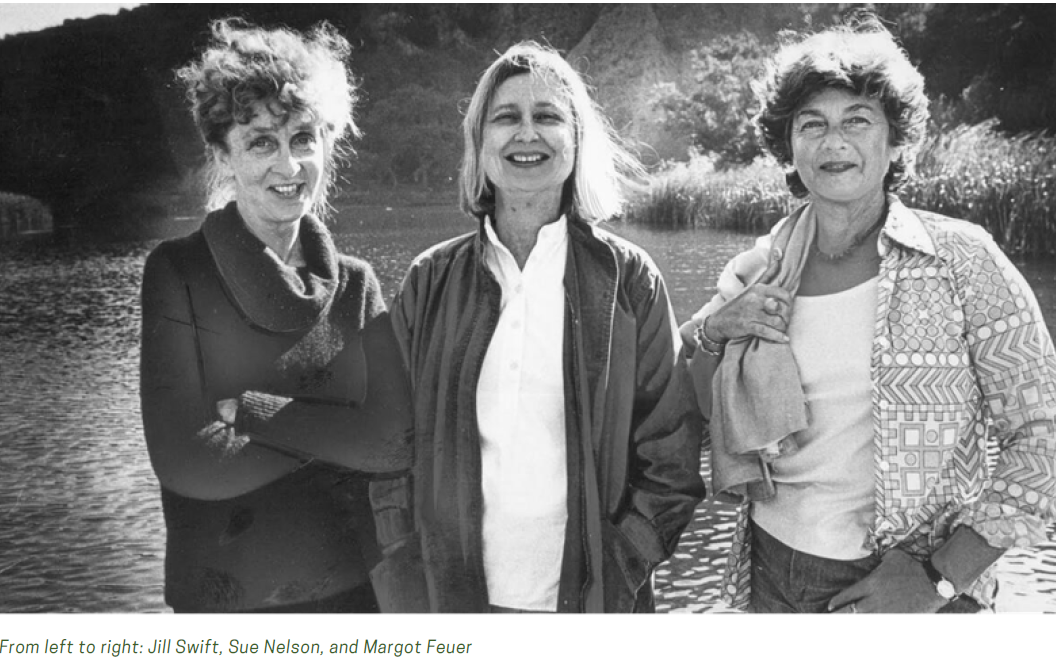
“The Mothers of the Mountains” led the effort to create the Santa Monica Mountains National Recreation Area.
Led by conservationist Susan B. Nelson and supported by the Sierra Club’s Angeles Chapter, the movement gained momentum. In 1972, the Santa Monica Mountains Task Force, headed by activists Jill Swift and Margot Feuer, used lobbying and legal action to protect the land. These three women are remembered as “the mothers of the mountains,” who galvanized public support for preserving open space.
In addition to the 8,215 acres that State Parks acquired in 1974 from 20th Century Fox, including Ronald Reagan’s first Ranch, the agency also purchased adjacent properties from Bob Hope. After acquiring the land and establishing public infrastructure, Malibu Creek State Park officially opened to the public in 1976. Following in 1978, was the creation of the Santa Monica Mountains National Recreation Area, protecting more than 153,000 acres. Malibu Creek State Park became part of a broader, interconnected park system that is the largest urban forest in the nation.
As Malibu Creek State Park celebrates its 50th anniversary, it stands not only as a place of natural beauty and recreation, but as a powerful reminder of what can be achieved when communities choose preservation over development. The next chapter of preservation is currently underway with the landmark Malibu Creek Restoration Project being led by State Parks. Removing Rindge Dam, reconnecting segmented habitat corridors, and restoring more natural hydrology and sediment transport in Malibu Creek will revitalize the entire watershed.
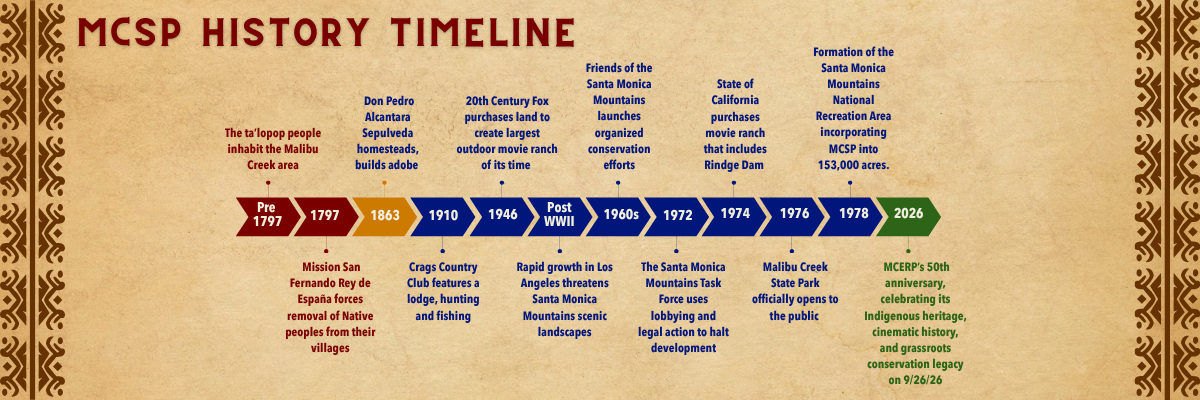
For more detailed information on the history of Malibu Creek State Park, visit here