

Year in Review
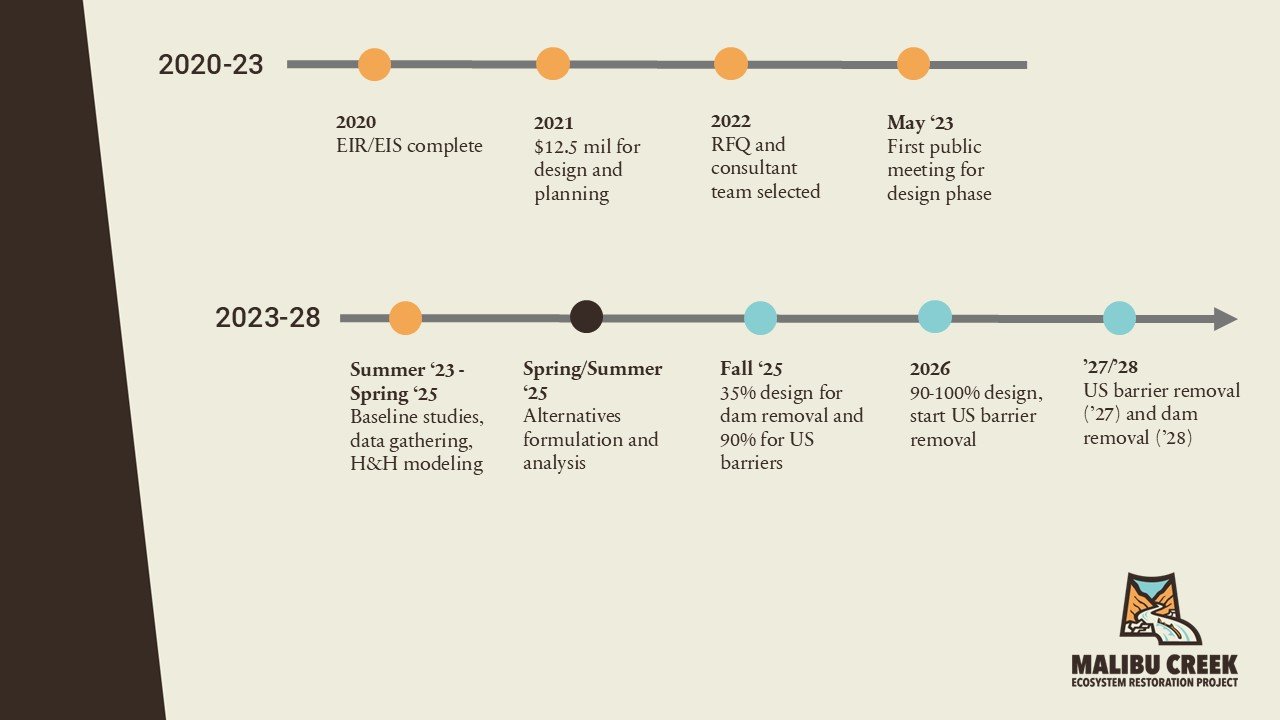
Project timeline
The Malibu Creek Ecosystem Restoration Project (MCERP) made major strides in 2025 toward restoring natural ecosystem functions and connectivity along Malibu Creek. The pre-construction, engineering, and design phase for removing Rindge Dam and addressing the upstream barriers advanced significantly, while public engagement remained central to building community support.
Highlights of 2025
Franklin Fire Recovery
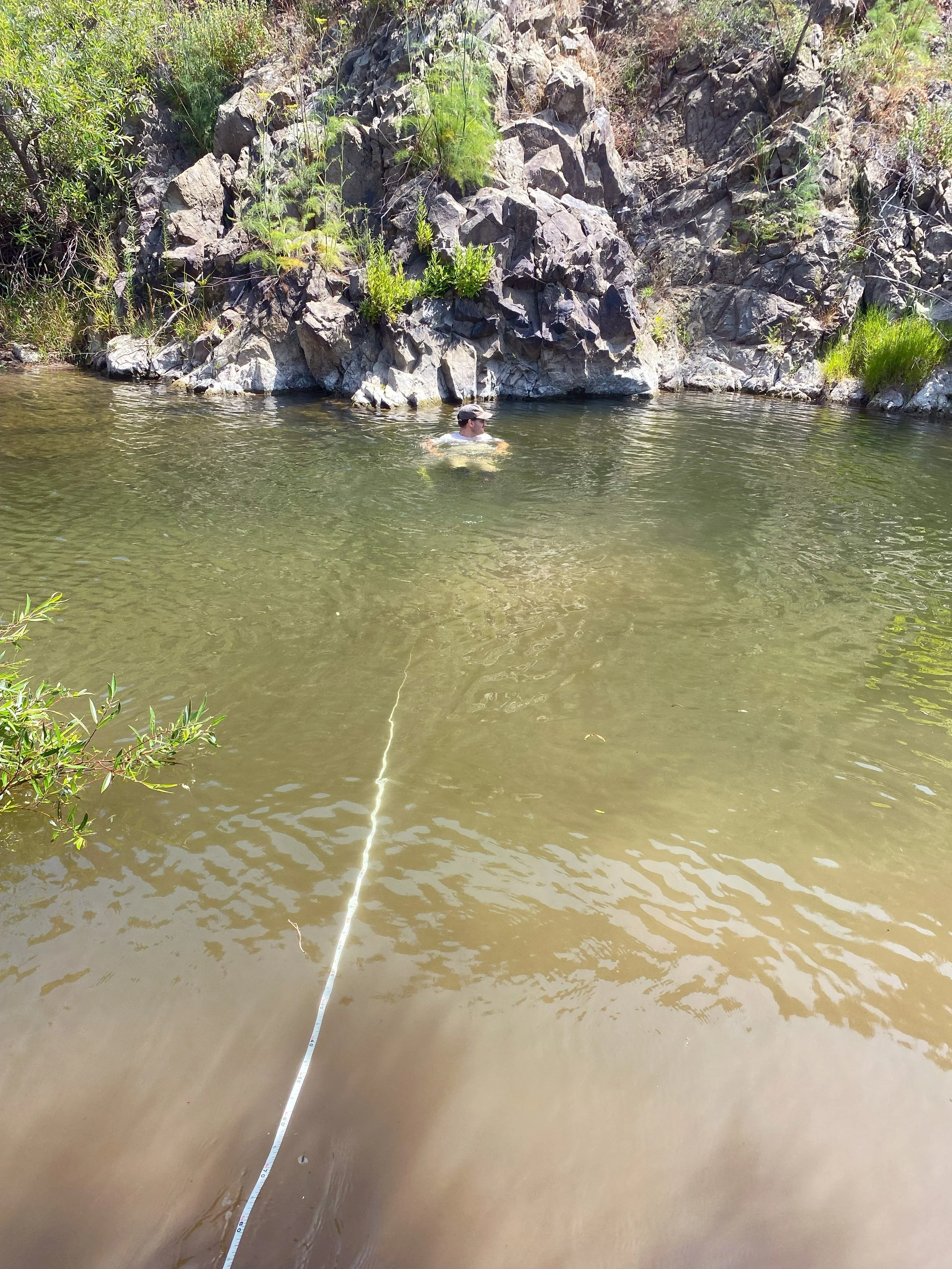
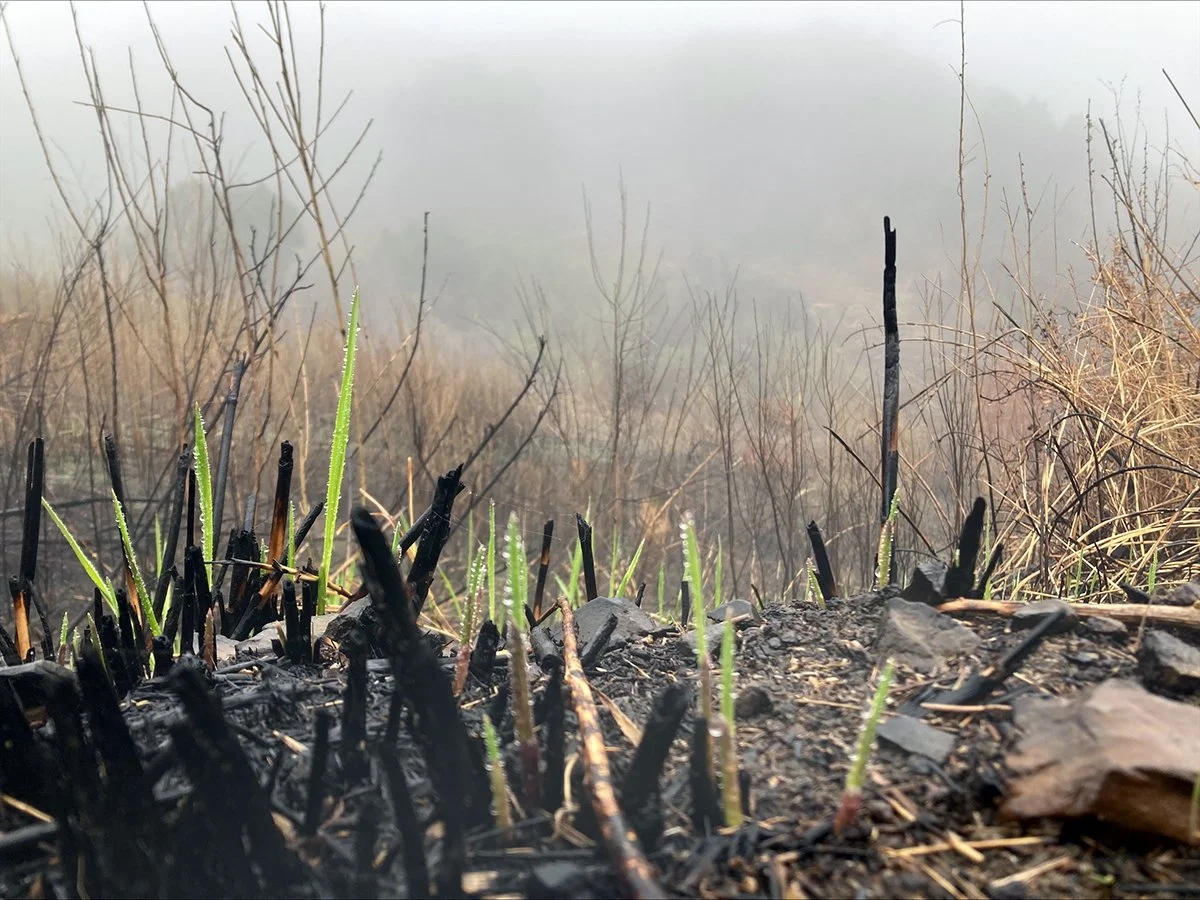
Prior to the Palisades Fire, the Franklin Fire in December 2024 caused significant habitat damage in the lower part of Malibu Canyon south of Rindge Dam. The Resource Conservation District of the Santa Monica Mountains stream team conducted a longitudinal habitat profile and cross section mapping along Malibu Creek to monitor post fire recovery. This data also assisted the MCERP project team with sediment transport modeling efforts.
By spring, native plants were bouncing back in the burn scar: black sage, toyon, wild cucumber, laurel sumac and sugarbush were among the sprouting species. While the mapping team saw no trout, invasive crayfish and carp have rebounded since the fire.
Modeling Best Methods for Removal
California State Parks and the project team further analyzed removal methods of the 100-foot tall dam and remediation methods of eight upstream barriers. Their findings determined that much of the trapped sediment behind the dam can be repurposed for beach nourishment or stored for future use, which helps build coastal resiliency and will also lower project costs.
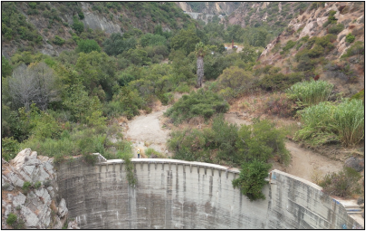
Studies indicate that the trapped sediment behind the dam is good for nourishing local beaches.
“The removal of the dam will not only support habitat restoration and species recovery but also creates opportunities to reuse the sediment trapped behind the dam to nourish local beaches. This is sediment that would have naturally made its way to the coast if the dam had not blocked it. Additionally, by repurposing the material and avoiding landfill disposal, we anticipate significant cost savings for the project,” said R.J. Van Sant, project lead for State Parks.
Local partners, stakeholders, and local communities played an important role in the year’s progress. On August 20, 2025, a second public workshop was held to present hydraulic and sediment modeling results and a range of dam removal alternatives, along with a Surfrider Beach surf study, inviting the community to provide feedback and ask questions. These collaborations are invaluable and will help advance the project into the next design phase.
Community Science Program
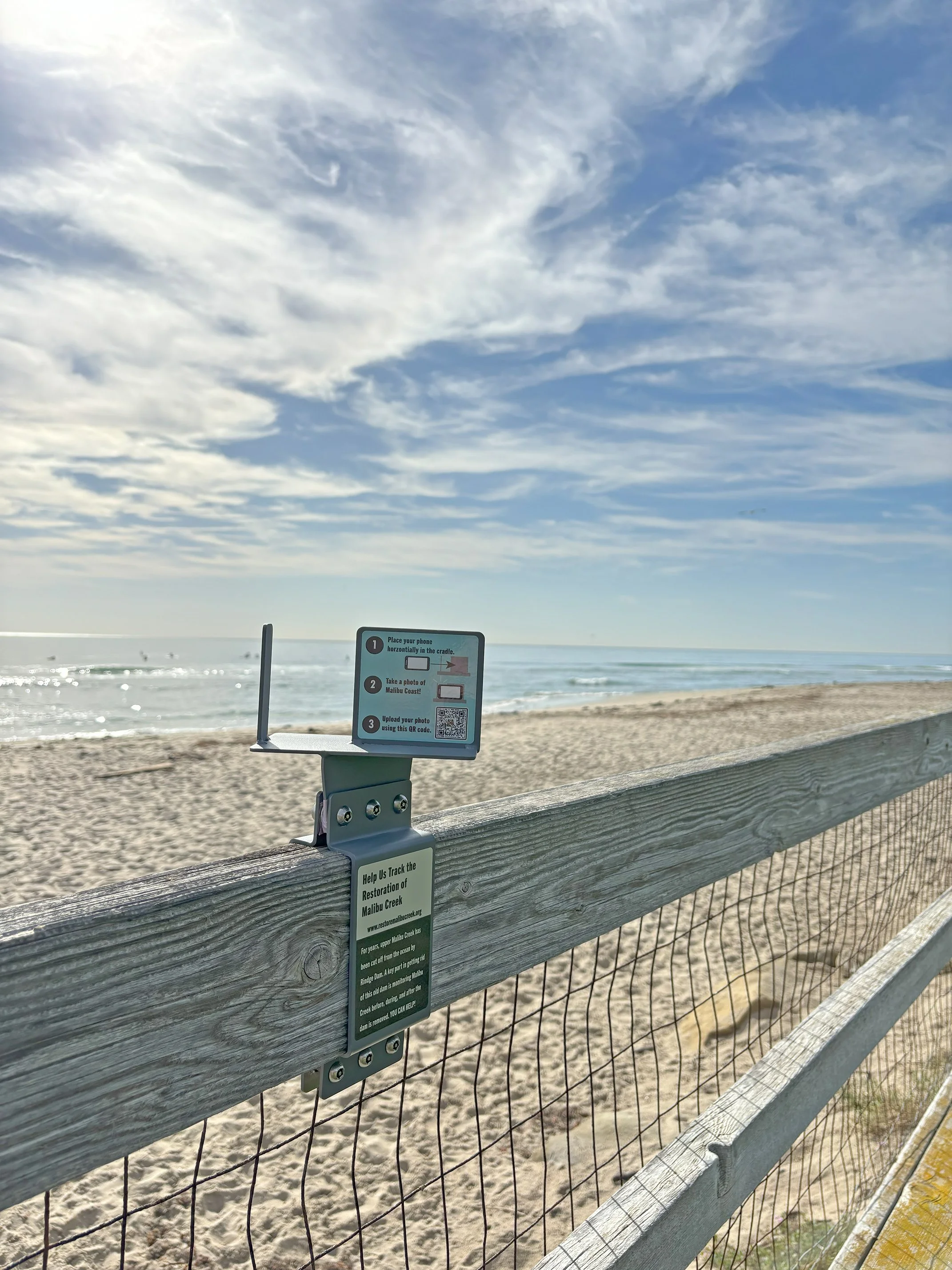
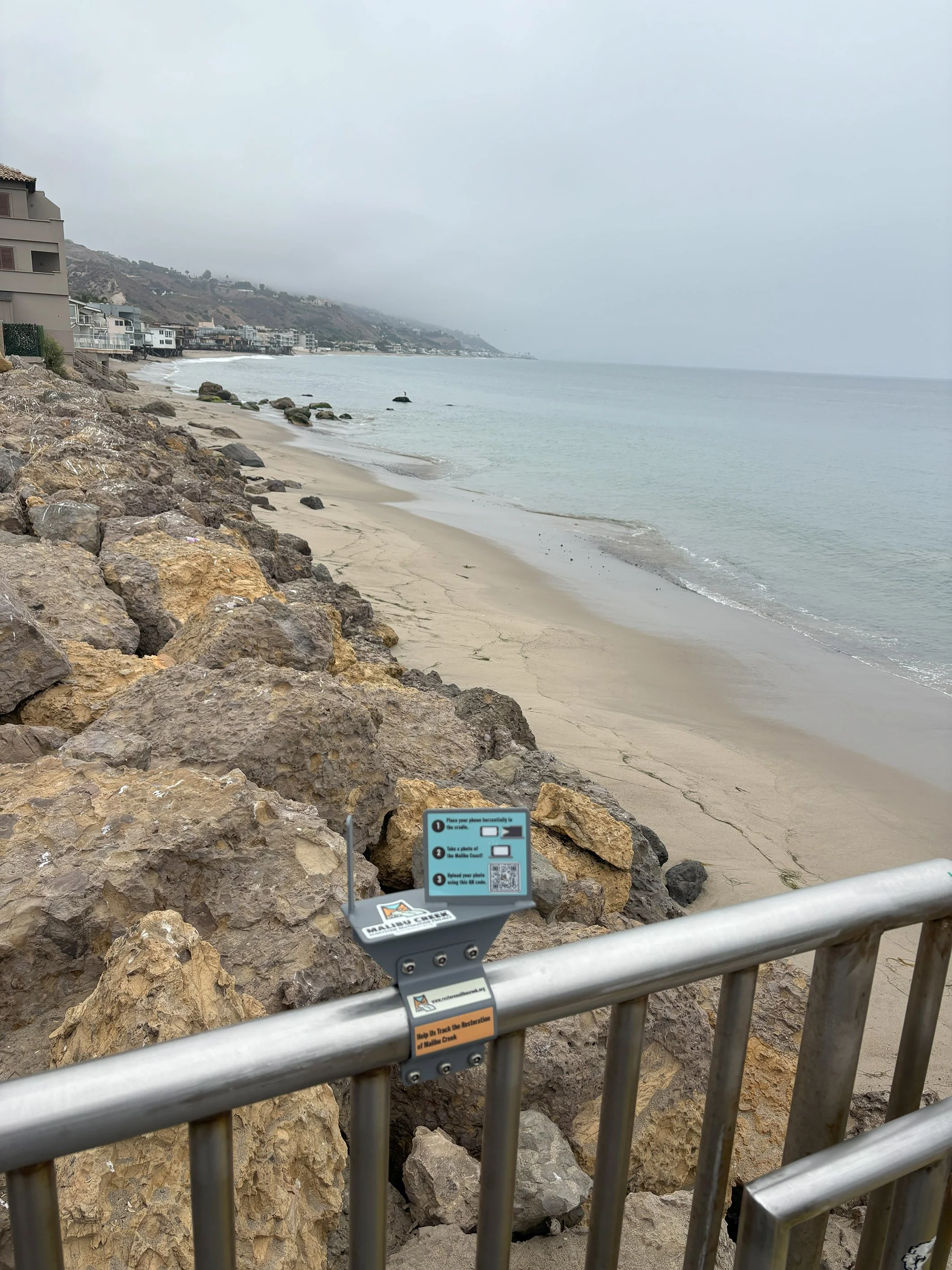
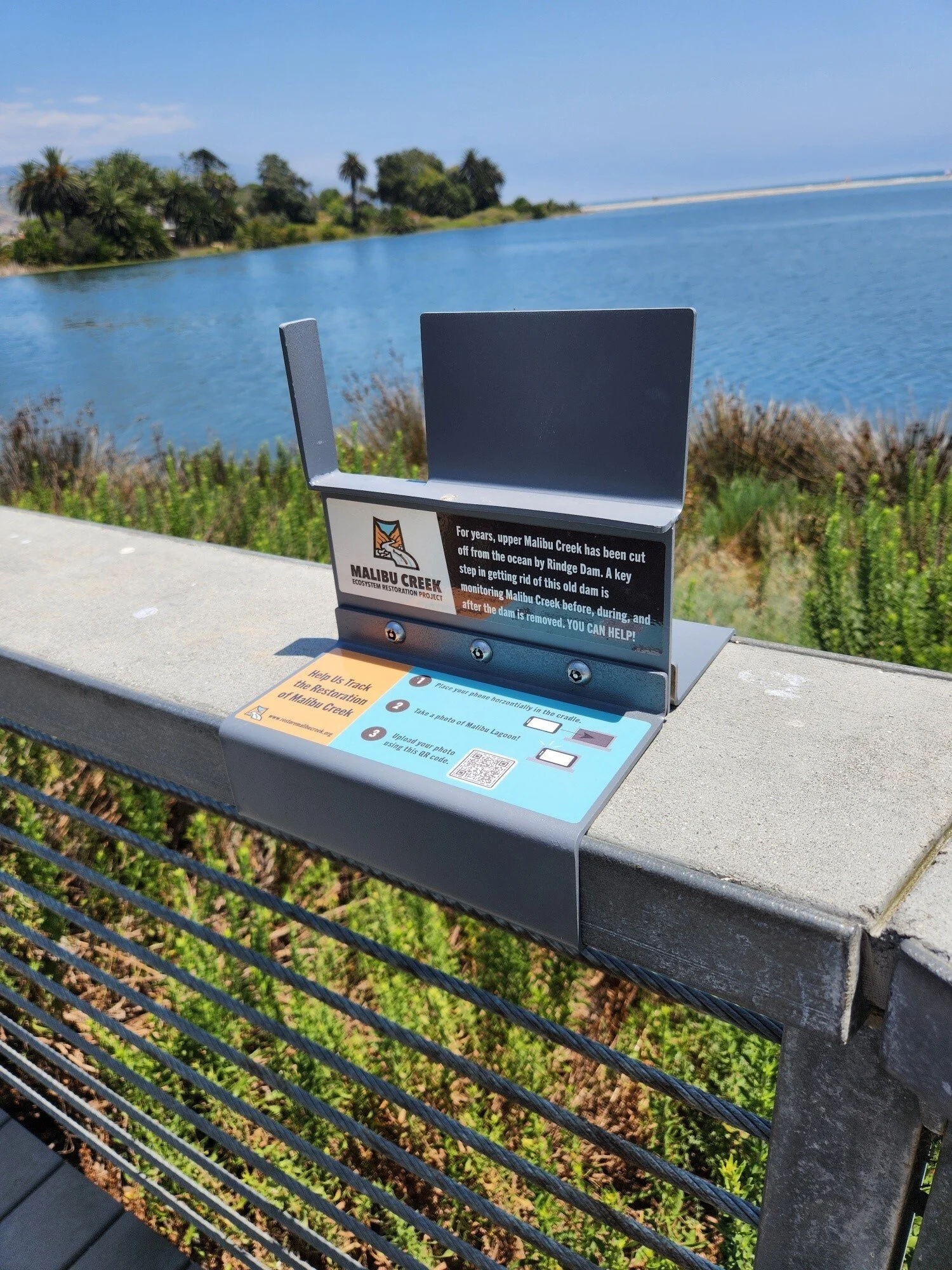
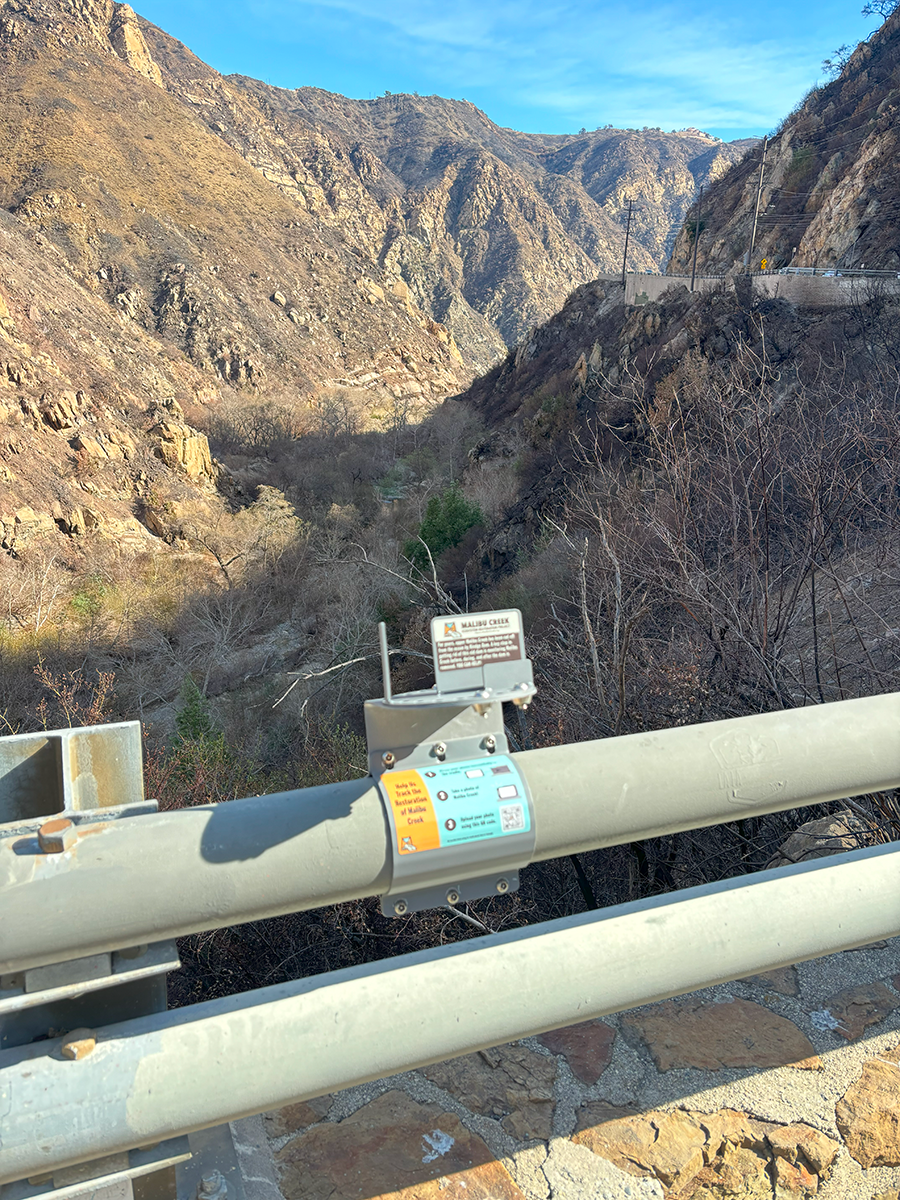
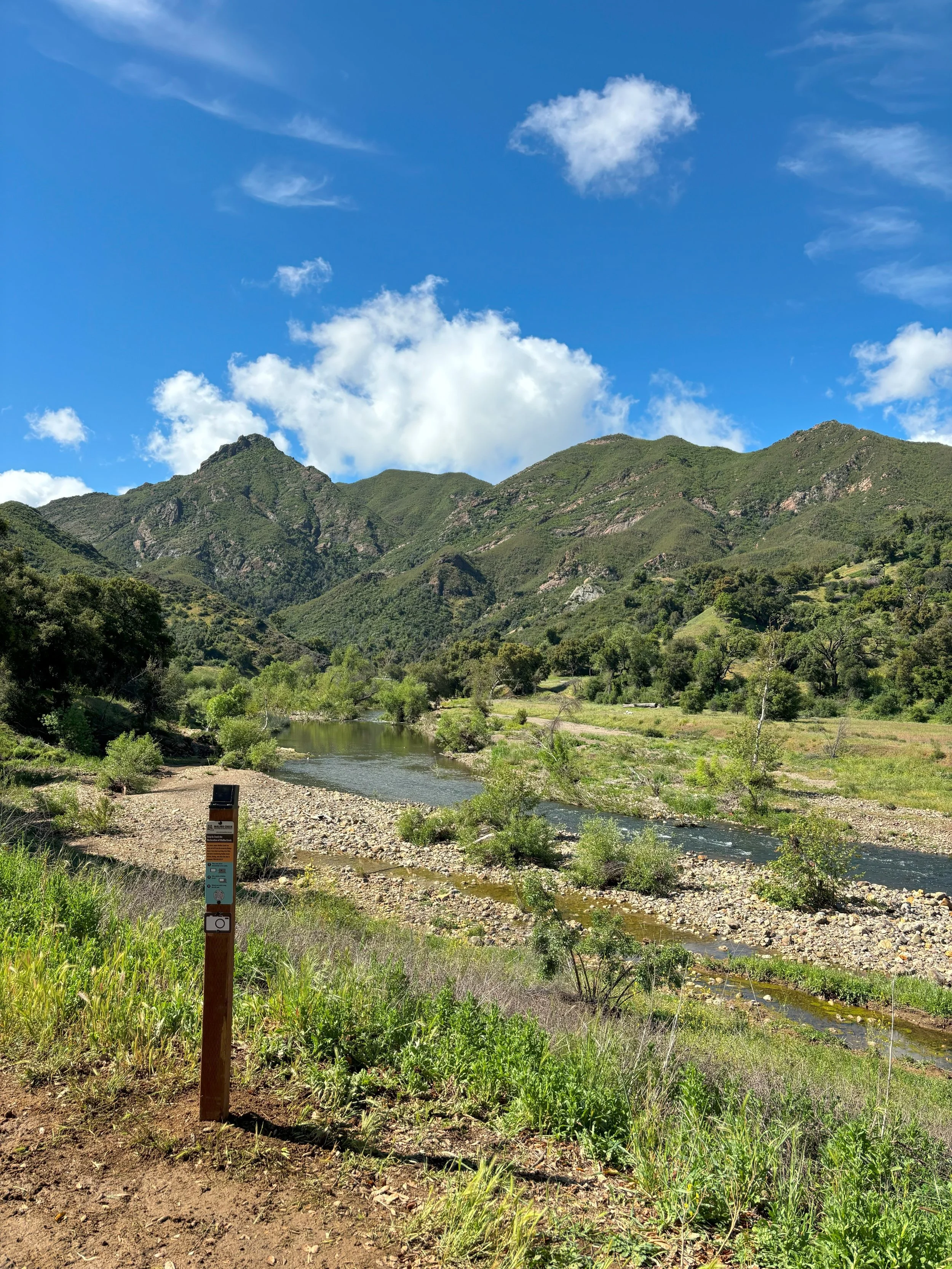
The Community Science Program continued to grow last year, offering the public a hands-on role in documenting the landmark restoration. With seven photo monitoring sites now active, volunteers helped us collect over 2,100 images—creating a visual record of Malibu Creek at a landscape scale.
Participation is simple, yet impactful--snap photos at the designated monitoring sites and upload them to our database to help track and document changing conditions along key areas of Malibu Creek.
Public Outreach and Education
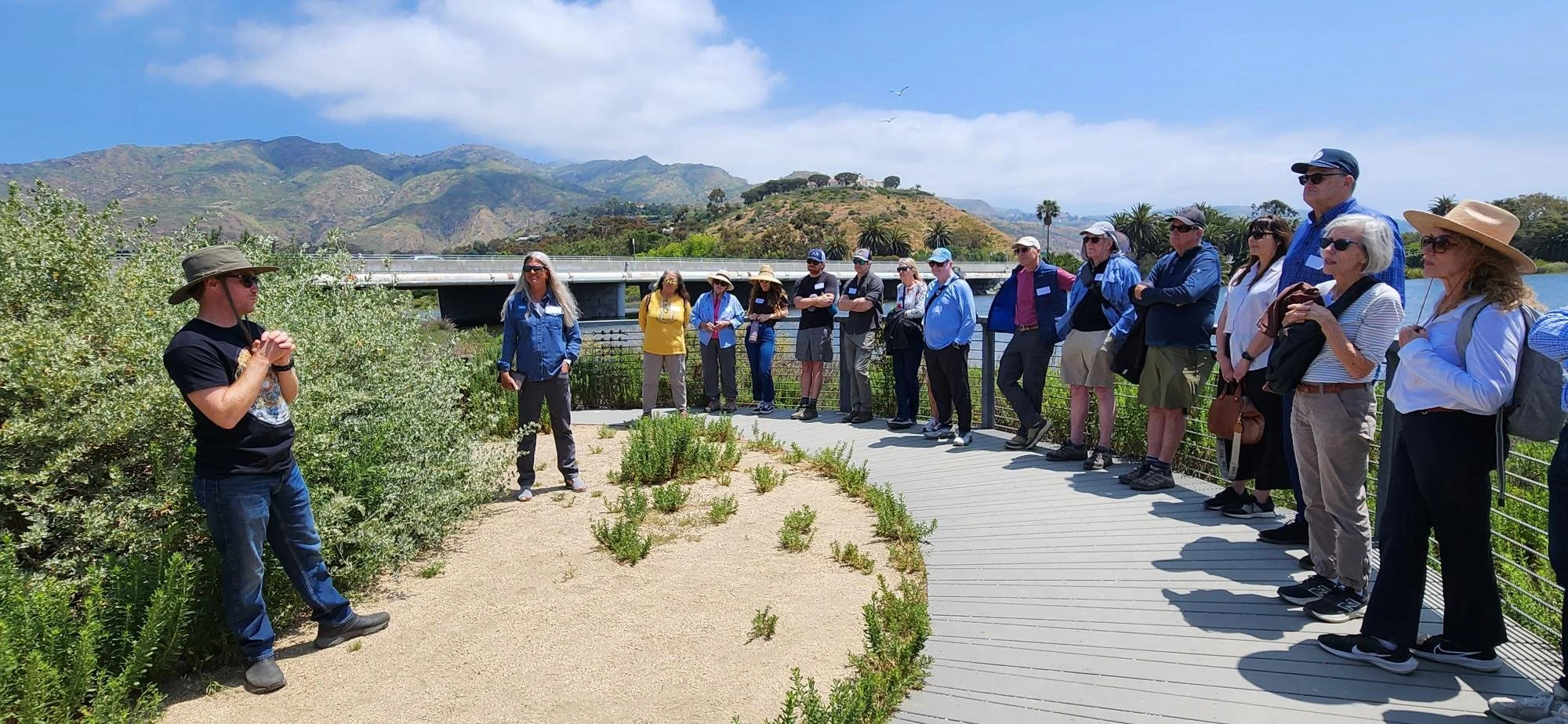
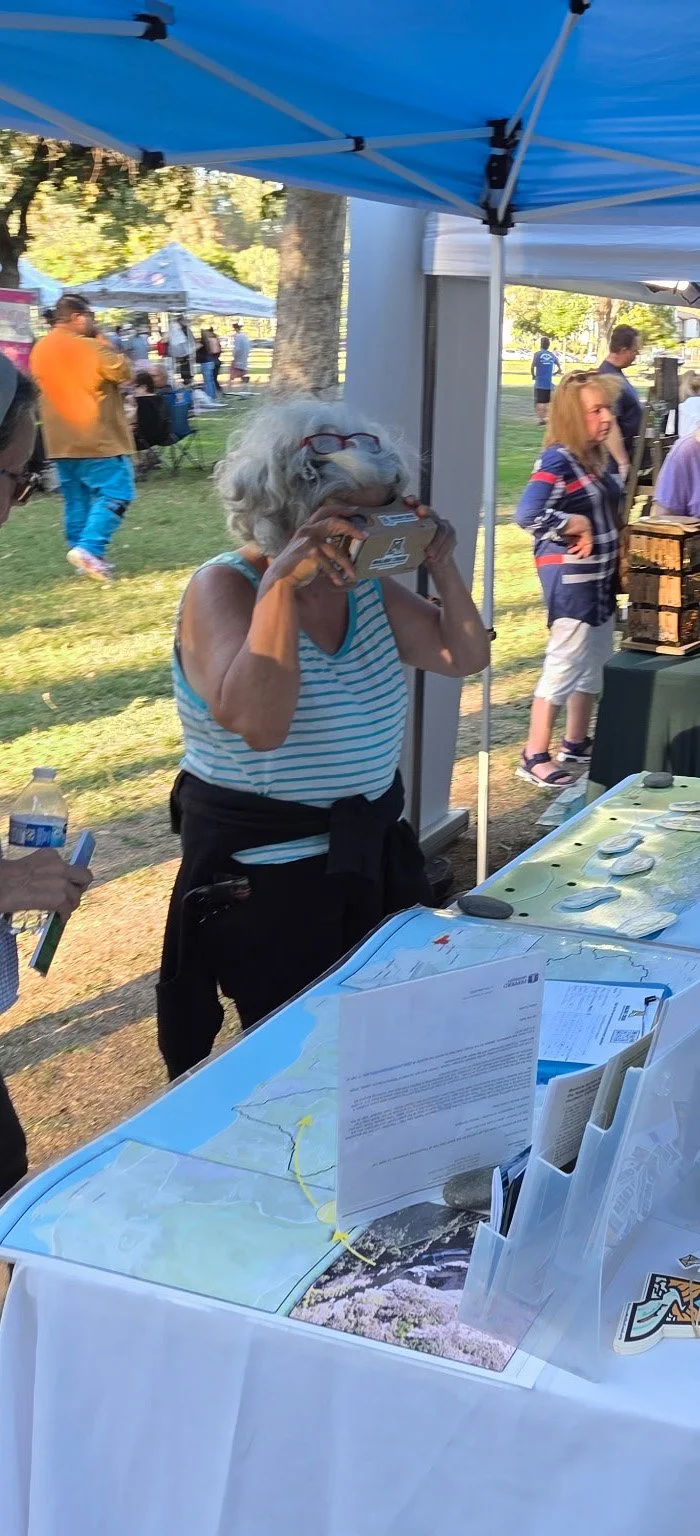
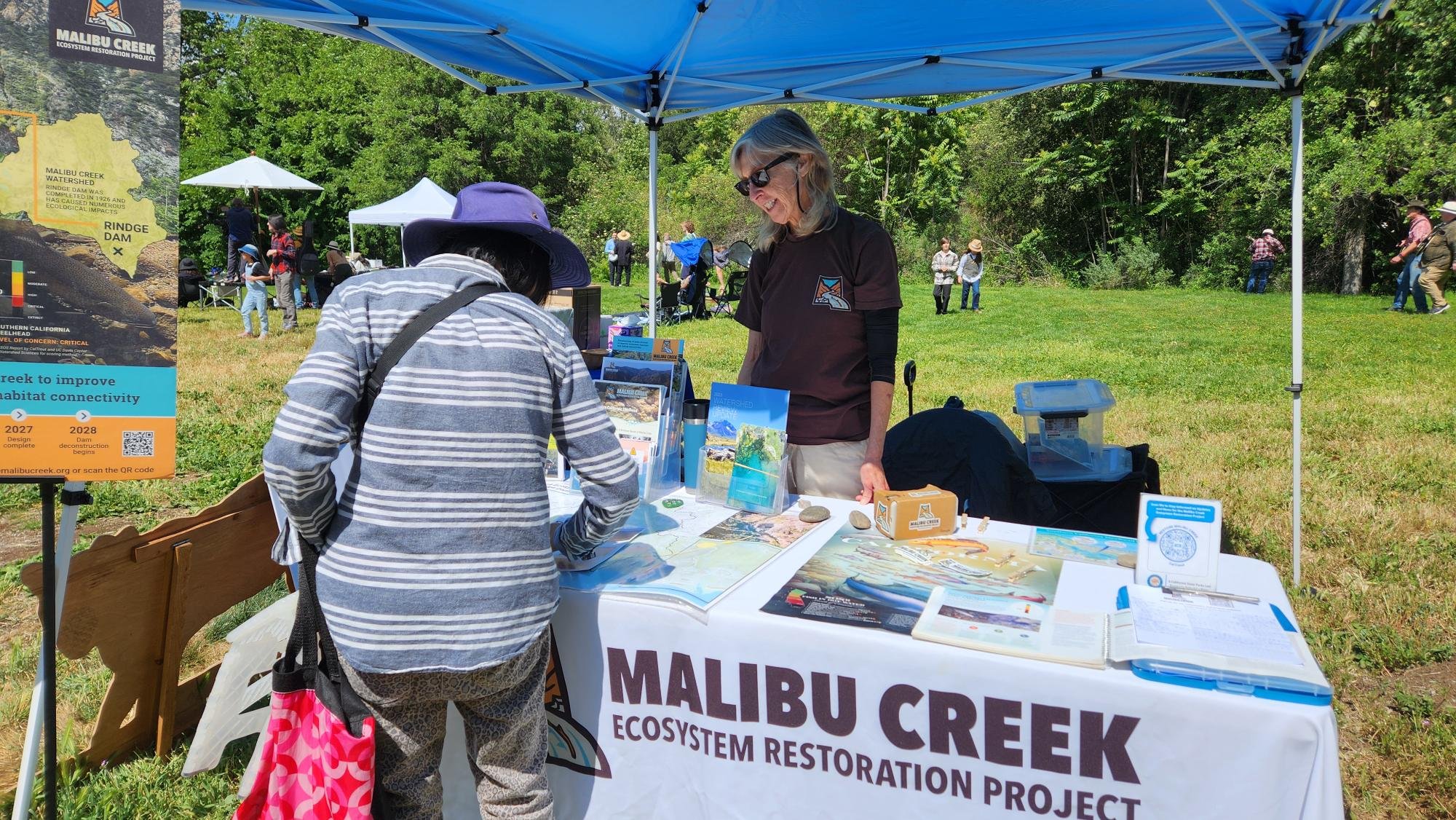
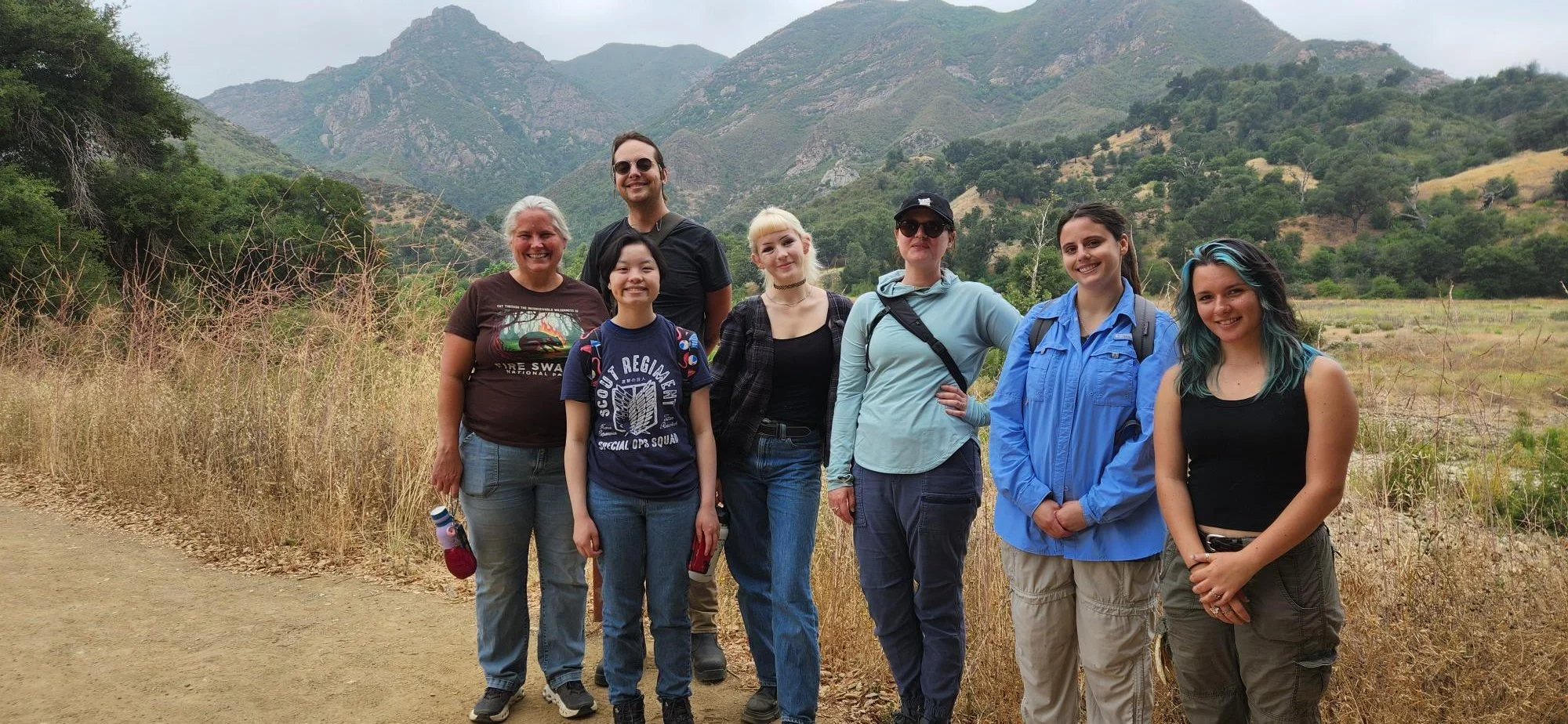
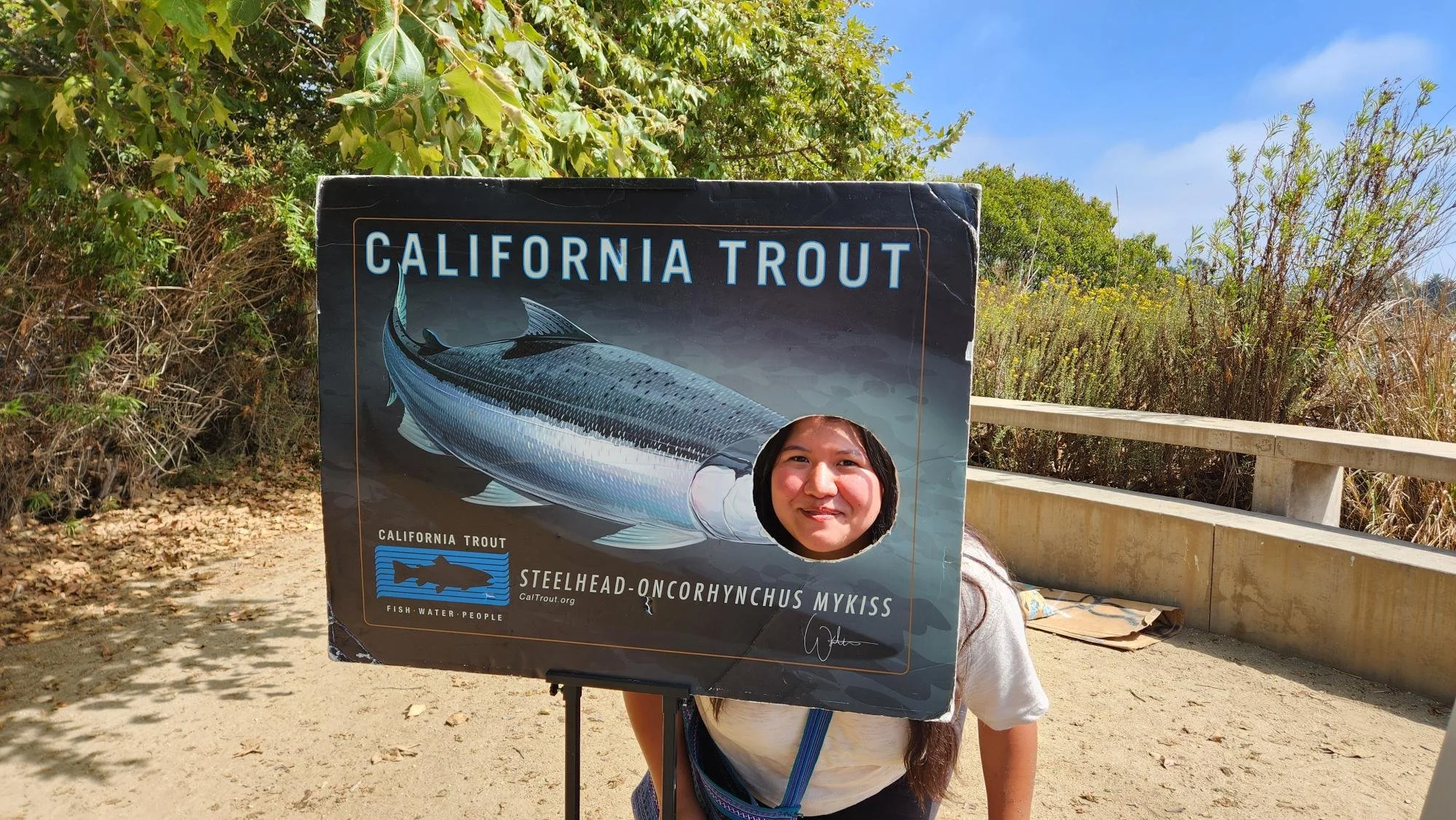
Our public outreach continued to engage all ages across Los Angeles, from the LA County Fair to creek side at Malibu Creek State Park, discussing southern California steelhead recovery, wildlife corridors and ecosystem biodiversity. We also offered tours about species migration through the Malibu Creek watershed for groups to witness how aquatic connectivity is essential for species survival.
Interested in scheduling a tour or learning more about our outreach programs? Email us at restoremalibucreek@caltrout.org.