How Safe is that Swimming Hole?
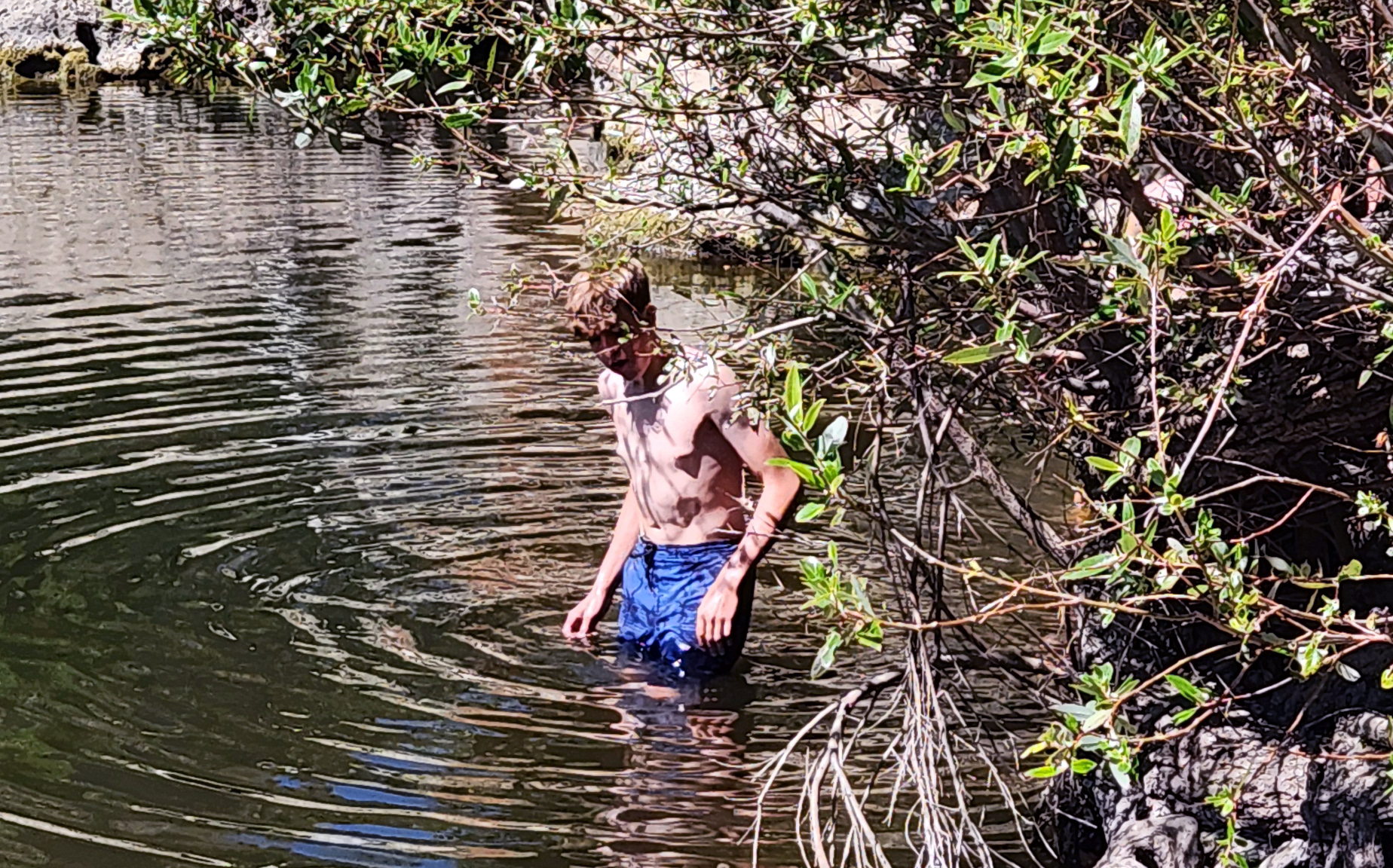
As temperatures rise, so do the visitors cooling off at the Rock Pool and Las Virgenes Creek in Malibu Creek State Park. These scenic and cool freshwater natural pools provide popular and accessible oases. But during peak use, is that water safe and clean enough for a dip?
While county health departments in California are required to test beach water quality for bacteria at least once a week during the summer season, freshwater sites don’t have the same monitoring requirements. Heal the Bay, an environmental advocacy group based in Santa Monica that protects the coastal waters and watersheds of Southern California, leads a Stream Team to test the water quality of recreational rivers and creeks. From May to September, they work with other local groups and municipalities to collect and analyze water samples in the Malibu Creek, Los Angeles River and San Gabriel River watersheds. (Heal the Bay also tested water quality at Malibu Lagoon in the watershed but will no longer be testing this site to avoid duplicating efforts already in the Beach Report Card.)
Since 2014, Heal the Bay has regularly monitored Malibu Creek at both the Rock Pool and Las Virgenes Creek at Crags Rd in Malibu Creek State Park. Trained students collect and document water samples that are taken to labs and analyzed for three types of bacterial contamination, including fecal indicator bacterium Escherichia coli (E.coli). Since Malibu Creek flows through a large watershed that includes both natural areas and upstream developed communities, potential pollution sources include failing septic systems, urban runoff, wildlife and pet waste.
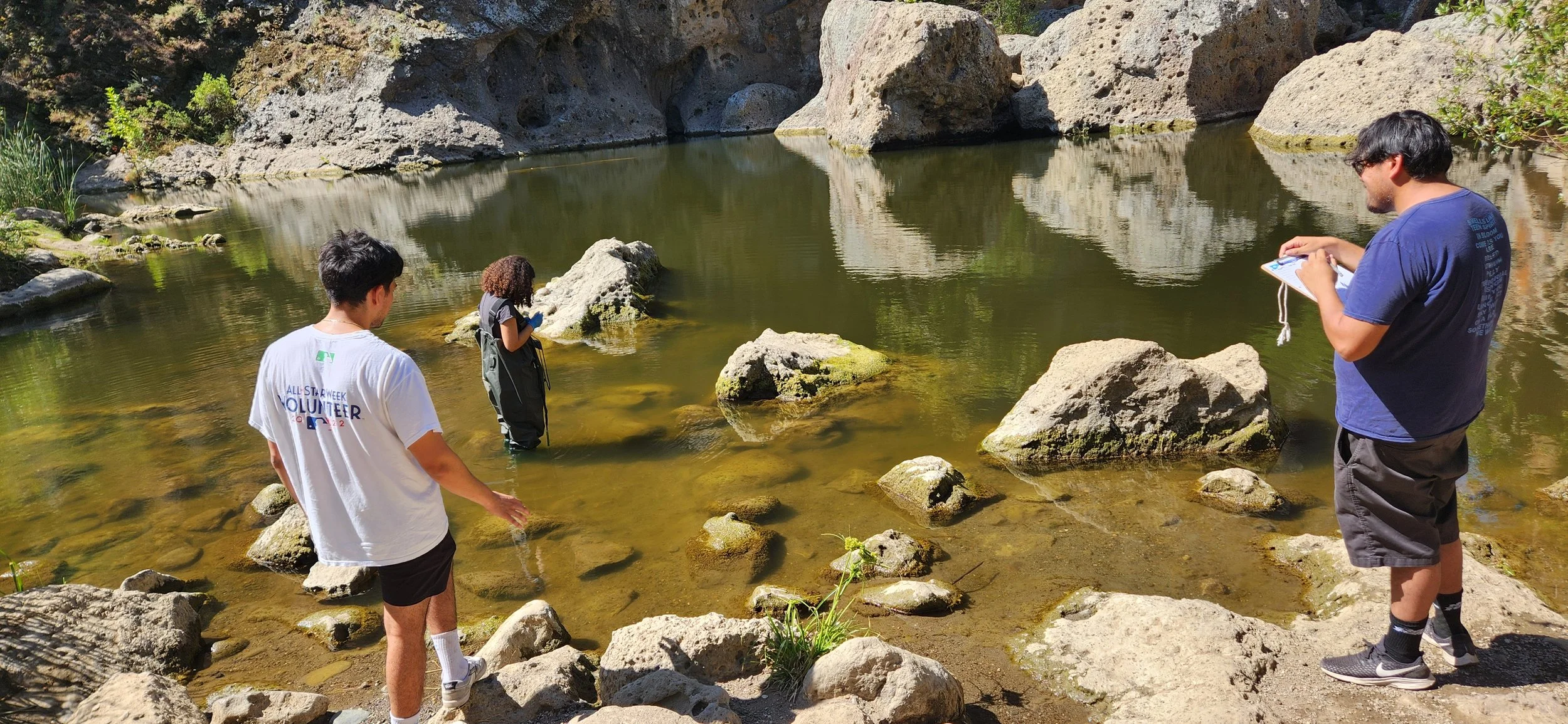
Vicente Villasenor, left, is leading Heal the Bay's 2026 Stream Team cohort with testing at Malibu Creek Rock Pool.
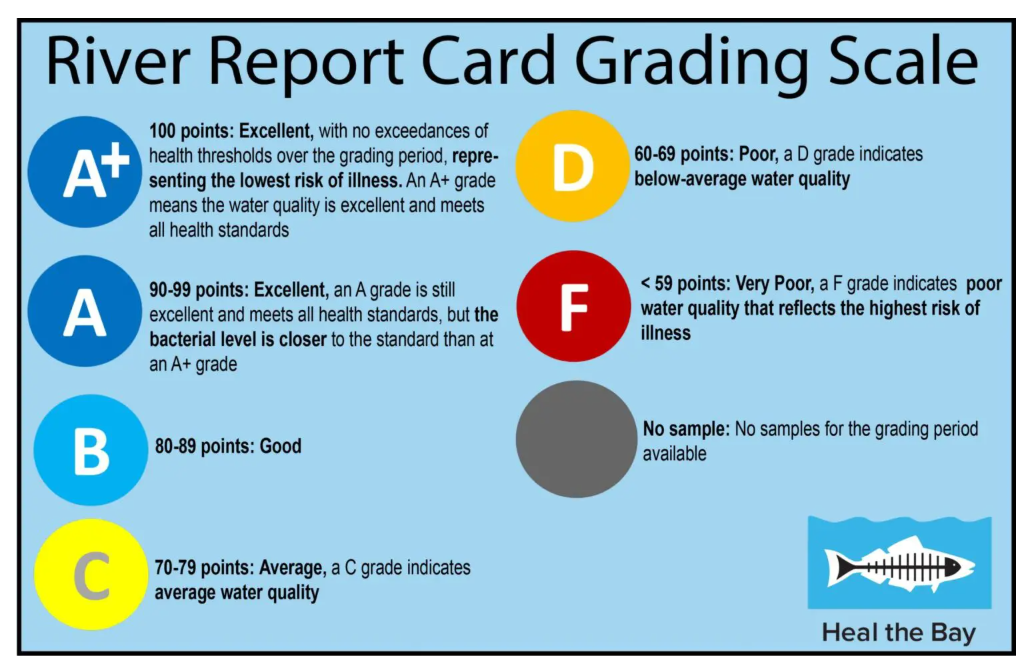
To calculate weekly grades, Heal the Bay evaluates the samples using a method that can most accurately provide the public information to make recreational decisions through A+ to F safety grade ratings. “Even a single exposure to water contaminated with bacterial pollution can cause ear infections, rashes, respiratory illness, and gastrointestinal issues,” said Vicente Villasenor, Water Quality Associate Specialist at Heal the Bay.
What the 2025 data shows:
Malibu Creek at Rock Pool: A+ (Honor Roll!) Water quality has remained excellent for three years, indicating low health risk for swimmers.
Las Virgenes Creek at Crags Road: A! A notable rebound from a C in 2024, with only one exceedance of the E. coli standard during the season.But downstream at Malibu Lagoon, water testing indicated poor water quality throughout the 2025 recreational season:
Malibu Lagoon: D grade in 2025 with multiple E. coli exceedances. Contributing factors likely include runoff from developed areas, the Palisades and Franklin wildfires, and cumulative pollution moving downstream.
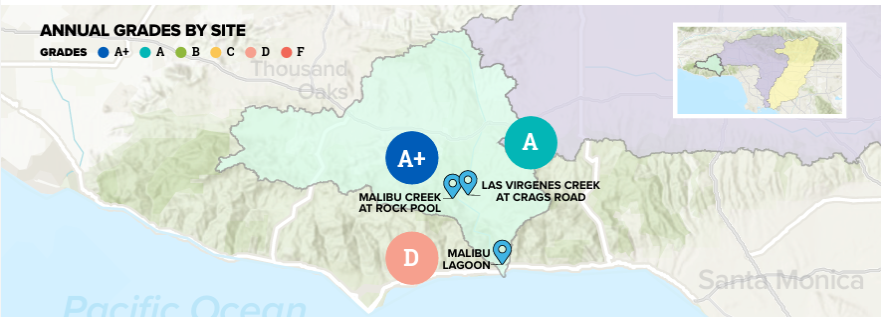
Malibu Creek Watershed 2025 annual grades by site.
The upstream sites highlight how, in less developed areas, water quality can remain consistently high for use as summer recreation. However, conditions that can suddenly impact water quality in these rural areas are heavy human use, human and wildlife waste, trash pollution (which can harbor bacteria), and rain events. “The more water quality testing is performed the better we can manage—and fix—the problems so people are able to recreate and enjoy the outdoors,” said Villasenor.
At Malibu Lagoon, in addition to the factors cited above, wildlife waste might be another contributing factor to the poor grade score. The lagoon provides important habitat for birds and other coastal wildlife. The challenge of balancing public recreation with the protection of ecologically critical areas underscores the need for continued monitoring and public awareness to ensure safe recreational water use without disrupting critical wildlife habitat.
The weekly reports help build a database for Heal the Bay’s annual reports that help examine patterns and trends over even longer periods. Identifying consistent problem spots, sources of pollution, and ongoing impacts can help policymakers formulate solutions, aid scientists in improving testing and monitoring methods, and give the public a look at which waters are best avoided throughout the year.
Below are the downloadable app and report card links to help make informed, real-time decisions about where it is safe to enjoy the water:
2025 – 2026 Beach Report Card
For more information about Heal the Bay’s water quality testing, contact Vicente Villasenor.